THE HORMONE YEARS: WHAT NO ONE TOLD US – PART 4
A 4-Part Series on Premenopause, Perimenopause, Menopause & Postmenopause
For most of our lives, women are taught about puberty and pregnancy — but very little about the decades of hormonal change that follow. This series explores the stages of menopause with honesty, research, and a little humor, so we can understand what’s happening in our bodies and support ourselves through every phase. Topics covered include:
Premenopause — The Whisper Before the Shift
Perimenopause — When the Hormone Years Turn Up the Volume
Menopause — When the Hormones Stop Arguing
Postmenopause — The Wisdom Years
______________________
For years, your body has been changing. Quietly at first. Then loudly. Then, at times, unpredictably. And now . . . things begin to settle. Not back to what they were. But into something new. Something steadier.
Welcome to postmenopause — a stage of life that is rarely talked about, and yet holds some of the most grounded, self-assured years many women will experience.
What Postmenopause Actually Is
Postmenopause begins after menopause has officially occurred — once you’ve gone 12 consecutive months without a menstrual cycle.
From that point forward, you are in postmenopause for the rest of your life. Which sounds dramatic . . . until you realize: This stage can last decades, and yet, it is the least discussed. Hormones have now stabilized at a lower level. Estrogen is no longer fluctuating wildly. Progesterone is no longer cycling. The hormonal “noise” that defined earlier phases has quieted. And in many ways, so has the confusion.
What Postmenopause Feels Like
This is where many women experience something unexpected — relief. Not necessarily because every symptom disappears (some may linger) but because the unpredictability is gone. Common experiences include:
- Fewer hormonal mood swings
- More emotional steadiness
- Improved clarity and self-awareness
- Continued need to support sleep and energy
- Ongoing attention to bone and heart health
And then there is something harder to measure — a stronger sense of self. Many women describe this stage as one where they feel:
Less reactive
Less pressured
Less concerned with expectations
And more . . . themselves.
The Body After the Transition
Postmenopause is not about managing chaos. It’s about supporting longevity. The lower estrogen levels that occur mean:
- Bone density requires attention
- Cardiovascular health becomes a priority
- Muscle maintenance is essential
- Metabolism may shift
According to research from the North American Menopause Society (NAMS) and the National Institutes of Health, long-term health outcomes in postmenopause are strongly influenced by lifestyle factors — particularly movement, nutrition, and stress management. Which is actually empowering because it means there is a great deal within your control.
Movement: Strength for the Long Term
If earlier stages were about building, this stage is about maintaining — and continuing to build where possible.
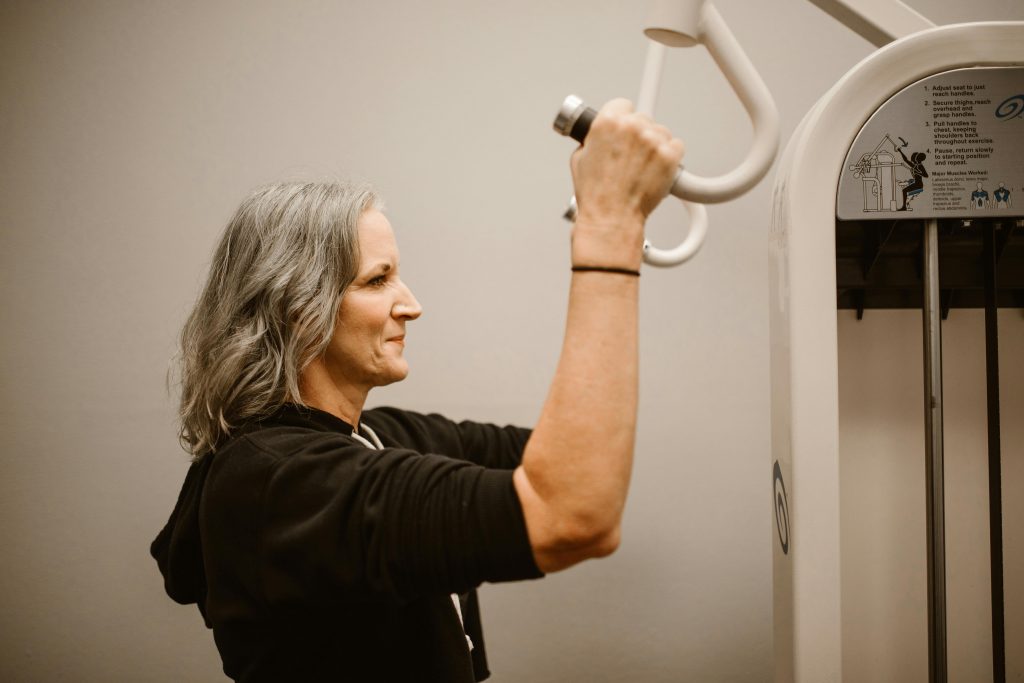
Focus on:
- Strength training (at least 3x per week)
- Weight-bearing exercise for bone health
- Balance and mobility work
- Daily walking
Strength in postmenopause isn’t about aesthetics. It’s about independence and continuing to move through your life with confidence and capability.
Nutrition: Nourishment Over Restriction
This is not the stage for aggressive dieting. It’s the stage for consistent nourishment. It is recommended to upport your body with:
- Protein-rich meals
- Calcium and vitamin D
- Fiber for digestion and heart health
- Healthy fats for inflammation and hormone support
Think of your nutrition now as long-term investment — not short-term correction.
Natural Support & Daily Rituals
Even in this steadier phase, your nervous system still benefits from care. Simple practices, such as those listed below, continue to matter:
- Magnesium for relaxation
- Herbal teas for calm and hydration
- Gentle evening routines
- Time outdoors
- Moments of stillness
These are not indulgences. They are maintenance for a well-lived life.
Let’s Talk Honestly About Sex in Postmenopause
This stage is often misunderstood. Yes, physical changes may continue — vaginal dryness, reduced elasticity, lower spontaneous desire. But here’s what many women discover: A deeper comfort in their own bodies . . . less urgency, less pressure, more clarity about what they want — and what they don’t.
Intimacy may require:
- Communication
- Lubrication or moisturizers
- A shift in expectations
But it can also become more relaxed, more connected, more authentic, and occasionally, a little more humorous. Because by this point, you’ve lived enough life to know that perfection was never the goal anyway.
Signature Recipe: Simple Longevity Bowl
Below is one of my favorite lunch bowls that provides the nutrients I need during Postmenopause. It’s balanced, nourishing, sustainable. Exactly what this stage calls for.
- Roasted vegetables (broccoli, carrots, zucchini)
- Grilled salmon or lentils
- Quinoa or farro
- Olive oil + lemon
- Sprinkle of seeds
For the Women Reading This — At Every Stage
If you are in postmenopause: This is not an ending. It is a continuation — with more clarity than you’ve likely ever had before.
If you are approaching this stage: There is life here. There is strength here. There is ease here.
And if you have daughters or granddaughters: This is the part of the story we should have been told.
And with that, the series comes full circle. From the whisper of premenopause, to the intensity of perimenopause, and we arrived at the marker of menopause. And now, here we are. Not at the end. But in a new rhythm. Because understanding our bodies shouldn’t feel like solving a mystery.
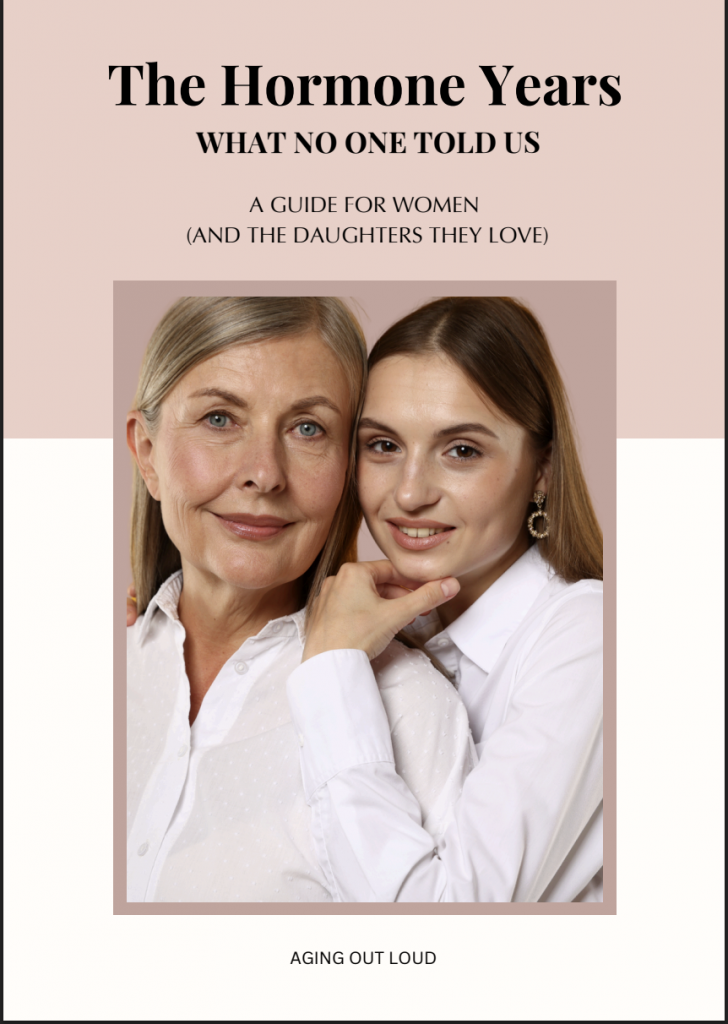
“The Hormone Years: A Guide for Women — and the Daughters They Love”
If this series resonated with you, I’ve created a beautifully formatted guide you can keep — or share with other women in your life. It explains the four stages of menopause, and provides answers we ALL should know about our bodies.
Closing Mantra
Wisdom is not something we arrive at. It is something we grow into.
Sources
- Study of Women’s Health Across the Nation (SWAN)
https://www.swanstudy.org - North American Menopause Society (NAMS)
https://www.menopause.org - National Institutes of Health (NIH)
https://www.nih.gov - Harvard Health Publishing — Menopause & Hormones
https://www.health.harvard.edu/topics/menopause
A gentle note before you go:
The information shared in this series is for educational and informational purposes only and is not intended as medical advice. While I reference research and common experiences, every woman’s body is unique. Please consult with a qualified healthcare provider before making any changes related to your health, hormones, or treatment options.
Until next time, keep . . .