THE HORMONE YEARS: WHAT NO ONE TOLD US – PART 3
A 4-Part Series on Premenopause, Perimenopause, Menopause & Postmenopause
For most of our lives, women are taught about puberty and pregnancy — but very little about the decades of hormonal change that follow. This series explores the stages of menopause with honesty, research, and a little humor, so we can understand what’s happening in our bodies and support ourselves through every phase. Topics covered include:
- Premenopause — The Whisper Before the Shift
- Perimenopause — When the Hormone Years Turn Up the Volume
- Menopause — When the Hormones Stop Arguing
- Postmenopause — The Wisdom Years
Menopause isn’t the moment your hormones disappear. It’s the moment they stop arguing.
For years — sometimes a decade — your body has been navigating fluctuating estrogen, declining progesterone, unpredictable sleep, and emotions that may have felt… occasionally out of proportion to the situation.
And then, almost quietly, something shifts.
Not everything becomes easy overnight.
But something becomes… steadier.
Welcome to menopause.
What Menopause Actually Is (Medically Speaking)
Menopause is officially defined as the point when a woman has gone 12 consecutive months without a menstrual period.
That’s it. One full year. After that, you are considered postmenopausal.
The average age of menopause in the United States is 51, according to the North American Menopause Society (NAMS), although it can occur earlier or later depending on genetics, health, and lifestyle.
But here’s what often surprises women: Menopause itself is not a long phase. It’s a moment in time.
What most women experience for years leading up to it — the symptoms, the unpredictability — is perimenopause.
Menopause is simply the marker that the transition has completed.
What Changes in the Body
Once menopause occurs, hormonal activity stabilizes at a lower level.
Estrogen no longer rises and falls dramatically.
Progesterone is no longer cycling.
Ovulation has stopped.
This doesn’t mean hormones are gone — far from it. It means the hormonal fluctuations that caused so much disruption have leveled out. And for many women, that stability brings relief.
What Menopause Feels Like
There is a common assumption that menopause is the most difficult stage.
In reality, many women find that some of the most intense symptoms ease after menopause is reached.

That said, certain symptoms may continue or peak around this time:
- Hot flashes (though often less erratic than in perimenopause)
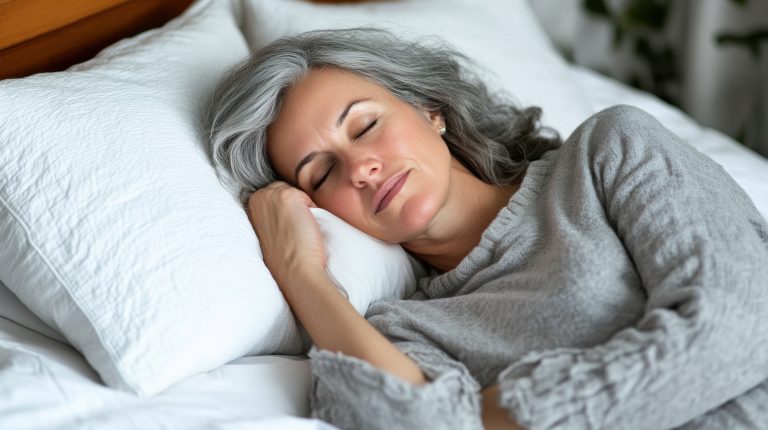
- Sleep disruption
- Vaginal dryness
- Changes in skin elasticity
- Shifts in metabolism
- Decreased bone density
- Occasional brain fog
And then there’s the quieter shift: A growing sense of self.
Many women describe menopause as a stage where they feel less pulled in a hundred directions and more grounded in who they are.
Of course, you may still wake up at 3 a.m. now and then. But at least your hormones aren’t arguing about it anymore.
Bone Health, Muscle & Longevity
This is where menopause becomes less about symptoms and more about long-term health.
Estrogen plays a significant role in maintaining bone density. After menopause, bone loss can accelerate, increasing the risk of osteoporosis.
According to research from NAMS and the National Institutes of Health, women can lose up to 20% of bone density in the first 5–7 years after menopause.
That sounds alarming — but it’s also actionable. Support your body with:
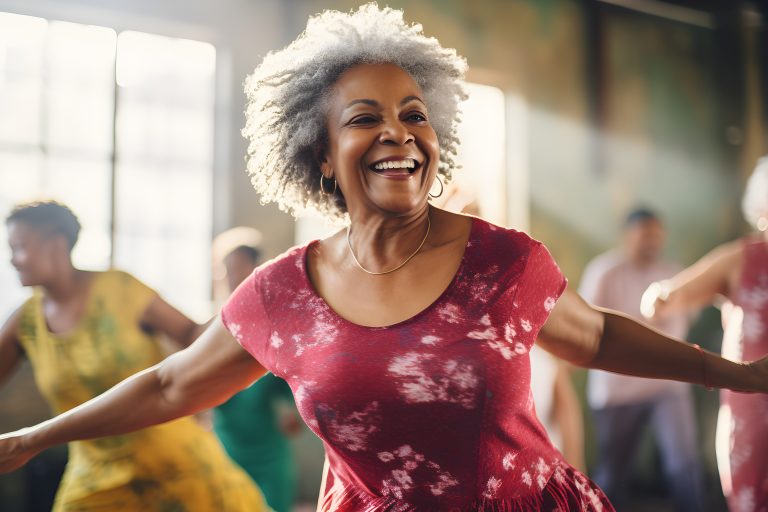
- Strength training (at least 3x per week)
- Weight-bearing exercise (walking, hiking, resistance work)
- Adequate protein intake
- Calcium-rich foods
- Vitamin D for absorption
This is not the time to step back physically. It’s the time to stay engaged with your strength.
Nutrition: Supporting a New Hormonal Baseline
As estrogen stabilizes at a lower level, the body may become more prone to:
- Increased fat storage (especially around the abdomen)
- Reduced insulin sensitivity
- Changes in cholesterol levels
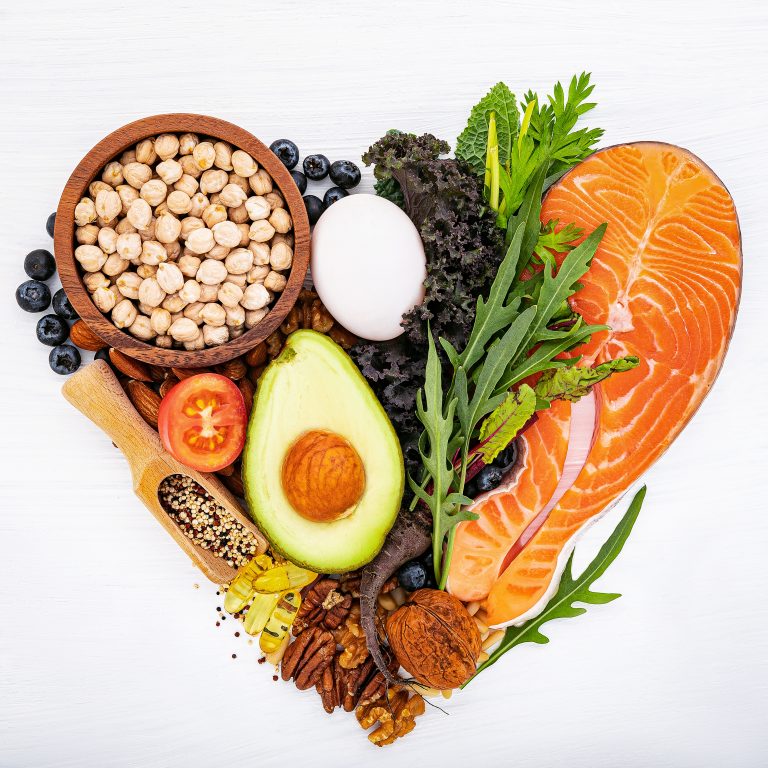
But again — this is information, not a diagnosis. Focus on:
- Protein-forward meals
- Fiber for digestion and blood sugar balance
- Healthy fats (olive oil, nuts, seeds)
- Anti-inflammatory foods (berries, leafy greens, omega-3s)
Think of this stage not as restriction, but as refinement. Your body isn’t working against you. It’s asking for a slightly different kind of support.
Natural Support & Daily Rituals
Many women continue to benefit from gentle, natural support during menopause. Helpful options include:
- Magnesium for sleep and relaxation
- Adaptogenic herbs for stress response
- Phytoestrogen-rich foods (like flaxseed)
- Cooling herbs for lingering heat (hibiscus, peppermint)
Even simple rituals matter.
An evening tea.
A quiet walk.
A few minutes of stillness before bed.

These aren’t small things. They are signals to your nervous system that you are safe, supported, and paying attention.
Let’s Talk Honestly About Sex After Menopause
This is where the conversation often goes silent. But it shouldn’t.
After menopause, lower estrogen levels can lead to:
- Vaginal dryness
- Thinner vaginal tissue
- Decreased elasticity
- Reduced spontaneous desire
And yet, many women report something unexpected: A deeper, more confident sense of intimacy. Without the hormonal fluctuations of earlier years, desire may become less urgent — but more intentional.
Sex may require:
- More communication
- More time
- More comfort
And perhaps… a little more planning. Which, if we’re being honest, is not the worst thing. Because intimacy at this stage often becomes less about performance — and more about connection.
If needed, there are effective options available:
- Vaginal moisturizers or lubricants
- Medical support (including localized estrogen therapy)
- Open conversations with healthcare providers
And most importantly: Permission to redefine what intimacy looks like for you.
Signature Recipe: Calcium-Rich Green Bowl
A simple, supportive meal for bone health.
- Grilled salmon or chickpeas
- Sautéed kale or spinach
- Quinoa
- Sliced avocado
- Sesame seeds
- Olive oil + lemon dressing
Nourishing. Balanced. Sustainable. If you are postmenopausal, this is not the end of something. It is a continuation — just on steadier ground.
If you are approaching menopause, know this: The storm does pass.
And if you have daughters or granddaughters, this may be the most important conversation we can begin sharing with them now.
What’s Coming Next
In Part 4, we’ll talk about Postmenopause — the years beyond the transition, where health, strength, and confidence take on a new rhythm.
We’ll explore:
- Longevity
- Energy
- Purpose
- And what it means to age with intention
Members of The Femme Collective will also receive early access to the full Menopause Guide when it’s complete.
Because understanding our bodies shouldn’t feel like solving a mystery.
Closing Mantra
Our hormones may shift — but our power does not.
Sources
- Study of Women’s Health Across the Nation (SWAN)
https://www.swanstudy.org - North American Menopause Society (NAMS)
https://www.menopause.org - National Institutes of Health (NIH) – Menopause Research
https://www.nih.gov - Harvard Health Publishing — Menopause & Hormones
https://www.health.harvard.edu/topics/menopause
Until next time, keep . . .