THE HORMONE YEARS: WHAT NO ONE TOLD US – PART 2
A 4-Part Series on Premenopause, Perimenopause, Menopause & Postmenopause
For most of our lives, women are taught about puberty and pregnancy — but very little about the decades of hormonal change that follow. This series explores the stages of menopause with honesty, research, and a little humor, so we can understand what’s happening in our bodies and support ourselves through every phase.
In this series:
- Premenopause — The Whisper Before the Shift
- Perimenopause — When the Hormone Years Turn Up the Volume
- Menopause — When the Hormones Stop Arguing
- Postmenopause — The Wisdom Years
If premenopause is the whisper, perimenopause is the volume turning up. It’s the stage where many women begin thinking. Something is happening in my body and I cannot quite explain it. The perimenopause symptoms are distinct, however and when you know, you’ll recognize them right away.
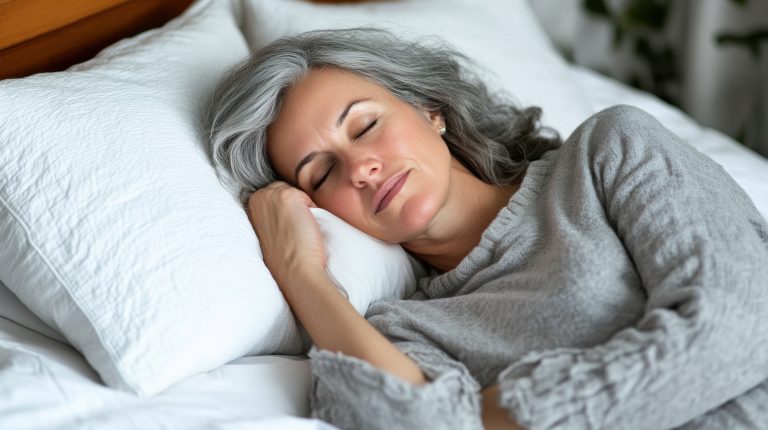
Your sleep changes.
Your patience shortens.
Your temperature control suddenly behaves like a malfunctioning thermostat.
You might wake up at 2:47 a.m. convinced the room is on fire — only to discover everyone else is sleeping peacefully under three blankets.
You begin Googling things like:
“Why am I sweating at night?”
“Why am I angry for no reason?”
“Why do I feel like a completely different person?”
Welcome to perimenopause — the most misunderstood stage of the hormone years.
What is Perimenopause?
Perimenopause literally means “around menopause.” It is the transitional stage before menopause, when ovarian hormone production begins fluctuating dramatically before eventually declining.
According to the North American Menopause Society (NAMS), perimenopause typically begins between ages 40 and 45, although many women notice early signs in their late 30s.
The stage can last anywhere from 4 to 10 years.
Yes.
Years.
During this time, estrogen levels don’t simply decline, they rise and fall unpredictably, sometimes reaching levels higher than they were in your younger years before dropping sharply again.
Progesterone often declines first because ovulation becomes less consistent. The result? Hormonal whiplash.
What Perimenopause Symptoms Feel Like
Many women first recognize perimenopause not because their cycle stops, but because their body starts behaving in unfamiliar ways.
Common symptoms include:
- Hot flashes and night sweats
- Irregular menstrual cycles
- Mood swings or sudden irritability
- Sleep disruption
- Anxiety that appears seemingly overnight
- Brain fog or forgetfulness
- Weight gain around the midsection
- Vaginal dryness
- Reduced libido
And then there is the symptom few people talk about openly: Rage. Not constant rage, but moments of sudden, surprising intensity.
A study published in Menopause: The Journal of The North American Menopause Society found that emotional symptoms such as irritability, mood swings, and anxiety increase significantly during the perimenopausal transition.
If you have ever found yourself irrationally furious because someone chewed too loudly, you are not losing your mind. Your hormones are staging a renovation.
Why Sleep Becomes a Battle

One of the most common complaints during perimenopause is sleep disruption.
Night sweats may wake you up.
Anxiety may keep you awake.
Or you may wake up at 3 a.m. with your brain suddenly reviewing every awkward moment of the past 25 years.
Estrogen plays a role in regulating serotonin and body temperature, while progesterone has calming, sedative-like effects on the brain.
When progesterone declines and estrogen fluctuates, sleep can become frustratingly unpredictable.
Studies from Harvard Health Publishing estimate that nearly 60% of women experience sleep disturbances during perimenopause.
Which explains why so many of us suddenly become experts in the art of staring at the ceiling.
If you’re still wondering where premenopause ends and perimenopause begins, I included a simple comparison chart in Part 1 of this series on Premenopause that helps clarify the differences. You can access the chart here. Premenopause vs. Perimenopause.
And below is a Perimenopause Snapshot for quick reference.
PERIMENOPAUSE AT A GLANCE
Typical age range: Early 40s to early 50s
Duration: Often 4–10 years
Key hormonal change: Estrogen fluctuates dramatically
Most common symptoms:
- Hot flashes
- Sleep disruption
- Mood swings
- Brain fog
- Irregular cycles
And please remember, every woman’s experience is unique, but understanding these stages can make the hormone years far less mysterious.
Movement: Protect Your Muscle and Mood
During perimenopause, maintaining muscle becomes even more important.
Estrogen supports muscle mass, bone density, and metabolic function. As levels fluctuate, women may notice increased fat storage and decreased muscle tone if strength training isn’t prioritized.
Research published in The Journal of Strength and Conditioning Research shows that resistance training helps improve insulin sensitivity, metabolic health, and mood during the menopausal transition.
Recommended movement strategies:
- Strength training 3–4 times per week
- Walking daily (7,000–10,000 steps)
- Interval or metabolic workouts twice weekly
- Yoga or mobility training to calm the nervous system
Movement during this stage isn’t just about fitness. It’s about nervous system regulation. And occasionally, it’s about keeping yourself from yelling at the dishwasher.
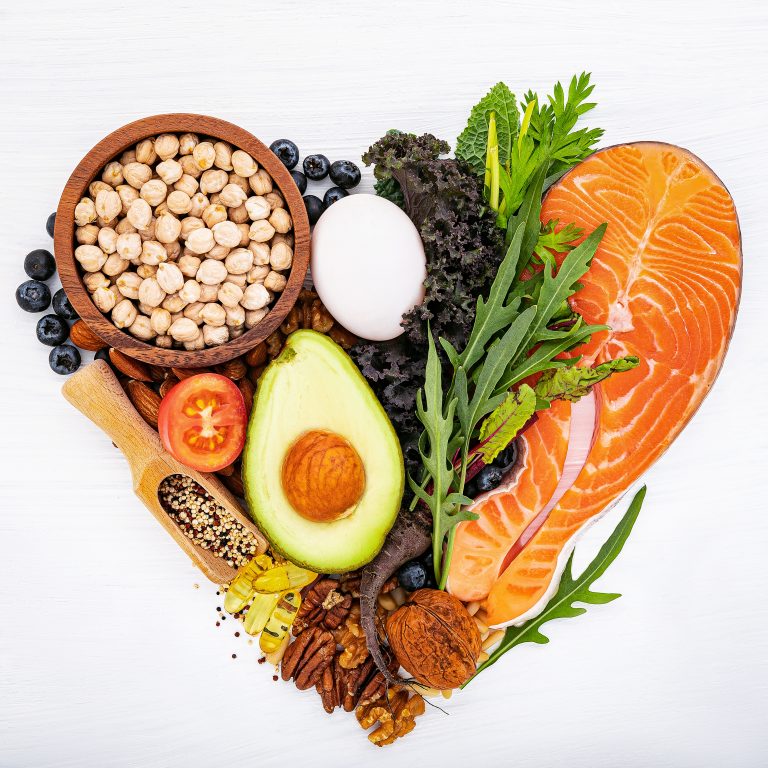
Nutrition: Stabilizing the Hormonal Roller Coaster
Perimenopause often changes the way your body processes food.
Estrogen influences insulin sensitivity and fat distribution. As levels fluctuate, many women notice increased abdominal fat and stronger cravings for sugar or refined carbohydrates.
Helpful strategies include:
- Prioritize protein at every meal
- Increase fiber intake for blood sugar balance
- Include healthy fats for hormone support
- Reduce excessive alcohol and processed sugar
- Stay hydrated to help regulate body temperature
These shifts aren’t about restriction. They’re about supporting a body that is recalibrating.
Natural Support & Tea Rituals for Hot Flashes
For many women, perimenopause is when hot flashes first appear. Research suggests that certain herbs may help support the nervous system and temperature regulation. Commonly used options include:
- Sage (traditionally used for hot flashes)
- Black cohosh (studied for menopause symptoms)
- Peppermint for cooling effects
- Lemon balm for calming the nervous system
A simple recipe that supports hydration and cooling:

- 1 tablespoon dried hibiscus
- 1 teaspoon peppermint
- 1 teaspoon honey
- Fresh lime juice
- 12 ounces hot water
Steep for 10 minutes.
Add honey and lime.
Serve chilled.
Refreshing. Cooling. Beautifully simple.
Now Let’s Talk Honestly About Libido
Perimenopause is often when women first notice a real shift in sexual desire. And let’s be honest — this can be confusing.
For many of us, libido used to feel relatively predictable. Desire showed up, hormones cooperated, and things generally worked the way we expected them to. Then somewhere in our 40s, the rules start changing.
Estrogen levels begin fluctuating dramatically. Testosterone, which also plays a role in sexual desire for women, gradually declines. Sleep disruption, stress, and fatigue begin piling up. And suddenly, the body that once responded automatically now seems to require a little . . . negotiation.
You may notice:
- Less spontaneous desire
- Vaginal dryness
- Increased sensitivity or discomfort
- Or simply feeling too exhausted at the end of the day to even consider romance
And occasionally you may look at your partner — the same partner you once found wildly irresistible — and think, “I love you dearly, but if you start snoring again tonight, I may need my own bedroom.”

All of this is normal.
Hormones influence far more than we were ever taught. Estrogen helps maintain vaginal tissue health and lubrication. Testosterone contributes to sexual motivation and energy. When these hormones fluctuate, desire can change right along with them.
But here’s the bold truth: This is not the end of your sexuality. It is a transition.
Many women report that intimacy later in life becomes more intentional, more connected, and sometimes even more satisfying than it was earlier. The difference is that desire may shift from being spontaneous to being responsive — meaning it grows once closeness, relaxation, and connection are present. In other words, your body may simply be asking for a slightly slower beginning.
There are also practical ways to support sexual health during perimenopause:
- Prioritize sleep whenever possible
- Maintain regular physical activity, which supports hormone balance and blood flow
- Consider vaginal moisturizers or lubricants if dryness becomes an issue
- Speak openly with your healthcare provider if symptoms are affecting intimacy
And perhaps most importantly — talk about it. For generations, women were taught to endure these changes quietly, as if they were something to be embarrassed about. But silence has never served women particularly well, especially when it comes to our bodies.
In fact, research supports what many women experience. Studies published in the Journal of Sexual Medicine and reports from the North American Menopause Society (NAMS) show that hormonal fluctuations during perimenopause can significantly influence sexual desire, comfort, and arousal. At the same time, many women report that emotional intimacy, communication, and relationship satisfaction become increasingly important factors in sexual wellbeing during midlife.
This stage of life invites us to understand ourselves differently.
Not less vibrant.
Not less desirable.
Just evolving.
For the Mothers and Grandmothers
If you are postmenopausal reading this, imagine what it would have meant to understand this stage earlier.
If you are in perimenopause now, know this: You are not dramatic or weak. You are in transition.
And if you have daughters — they deserve to know what we were never taught.
What’s Coming Next
In Part 3, we’ll talk about Menopause itself — the moment when the hormonal transition officially arrives.
We’ll discuss:
- What menopause actually means medically
- Why symptoms can peak during this stage
- How to support bone health, heart health, and longevity
Members of The Femme Collective will also receive early access to my upcoming Menopause Guide once it’s complete. You can join on the Home page. www.agingoutloud.com
Closing Mantra
The storm is not the end of the story. It is the beginning of change.
Sources
- Study of Women’s Health Across the Nation (SWAN)
https://www.swanstudy.org - North American Menopause Society (NAMS)
https://www.menopause.org - Journal of Clinical Endocrinology & Metabolism
https://academic.oup.com/jcem
Harvard Health Publishing — Menopause & Hormones
https://www.health.harvard.edu/topics/menopause
Until next time, keep . . .