As March begins, I wanted to talk about something many of us weren’t fully prepared for . . . menopause. Not just hot flashes. Not just hormones. But the quiet shifts, and premenopause symptoms that begin in our 30s and ripple forward. It’s truly surprising how little we know about this natural phenomenon that happens to us all, and hopefully the information in the Menopause Series will enlighten and empower you and your loved ones.
Throughout the month, we’ll share valuable information about the four life-changing stages we all experience — honestly, calmly, and without fear — which include premenopause, perimenopause, menopause and post menopause. Because awareness isn’t premature. It’s powerful and you, your daughter, granddaughter or any other special lady in your life will benefit immensely.
I used to think menopause began when a woman dramatically removed her sweater in the middle of winter and fanned herself with a restaurant menu. That’s what television told me. What no one told me, what no one told most of us, is that premenopause symptoms begin long before the fireworks. They begin with a whisper. And that whisper is called premenopause. And if you’re in your 30s — or know someone in their 30s — this is where the story really begins.
What Are Premenopause Symptoms?
Technically, premenopause refers to the entire reproductive stage before perimenopause begins. You are ovulating. You are cycling. On paper, everything looks “normal.”
But here’s the nuance that rarely gets explained: Premenopause symptoms can begin years before your cycle changes dramatically. Research published in the Journal of Clinical Endocrinology & Metabolism shows that subtle variability in estrogen and progesterone can begin in the late 30s — even when cycles remain regular. Findings from the long-running Study of Women’s Health Across the Nation (SWAN) confirm that hormonal fluctuation often starts well before obvious menstrual irregularity.
In simple terms: Your hormones don’t fall off a cliff at 50. They begin shifting quietly in your 30s. Estrogen fluctuates. Progesterone often begins declining more steadily. Testosterone subtly shifts. Cortisol becomes more reactive to stress.
It is less a dramatic collapse . . . and more a recalibration.
What Do Hormone Changes in Your 30s Feel Like?
This is where many women begin asking: “Why do I feel different if everything is still regular?” Common premenopause symptoms include:
- PMS that feels more intense than it used to
- Cycles that are still regular but heavier or shorter
- New anxiety before your period
- Sleep disruption for no clear reason
- Breast tenderness that makes you question every bra you own
- Libido that is enthusiastic one week and completely weather-dependent the next
- Brain fog that makes you open the refrigerator, stare into it like it holds the meaning of life… and then close it without solving either mystery
Because your period still shows up on schedule, you assume: It must be stress, it must be aging, it must be life. But fluctuating progesterone affects GABA receptors in the brain (which regulate calm), and shifting estrogen influences serotonin — meaning your mood and sleep are directly tied to these hormone changes in your 30s. This isn’t weakness. It’s physiology.

Age Hormonal Changes Begin in Women
Many women ask: What age do hormone changes begin? While every body is different, research suggests that subtle hormonal shifts often begin between ages 35–40. According to the North American Menopause Society (NAMS), the menopausal transition is a gradual process, not a single event. Which means the “hormone years” actually span decades. Why didn’t anyone tell us that?
Because culturally, women’s hormones are discussed primarily in relation to fertility. We are educated about puberty and pregnancy. We are barely educated about the 20+ years in between.
Up to 70% of women report experiencing symptoms associated with hormonal fluctuation before menopause — yet structured education about premenopause vs perimenopause is rarely offered.
And so we are surprised when we’re surprised.
Premenopause vs Perimenopause: What’s the Difference?
This is one of the most searched questions — and understandably so.
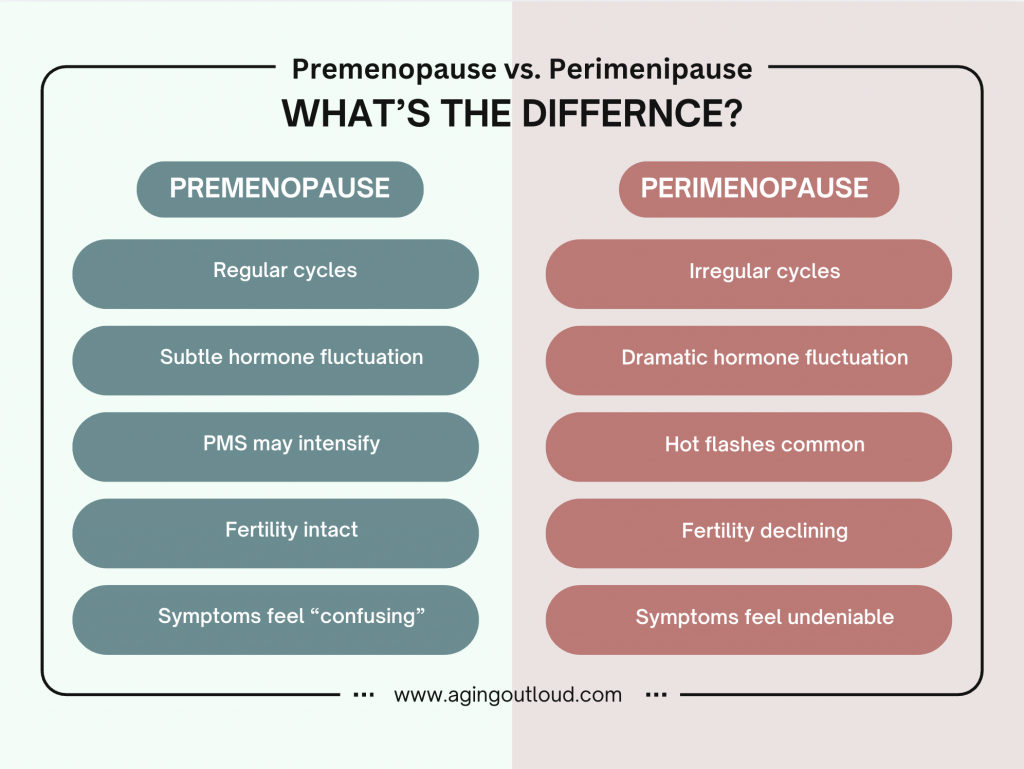
Premenopause is the whisper. Perimenopause is the volume turning up. Understanding this difference changes everything.
Movement: Build the Foundation Early
If premenopause is your current stage, think of this as your investment phase.
Research confirms women begin losing lean muscle mass in their 30s — a process that accelerates as estrogen declines. Muscle is hormonal currency and estrogen plays a role in:
- Muscle preservation
- Bone density
- Insulin sensitivity
- Cardiovascular health
This is not the decade to shrink yourself. It’s the decade to strengthen yourself. Evidence-based movement recommendations:
- Strength training 3–4 times per week
- Progressive overload (gradually increasing weight)
- 7,000–10,000 daily steps
- Bone-loading exercises (squats, weighted carries, step-ups)
- Mobility work for joint protection
If I could go back and speak to my 35-year-old self, I would say: Stop trying to be smaller. Start trying to be stronger. And, if you’re investing in equipment, choose quality adjustable dumbbells or a weighted vest — pieces you’ll use for years.
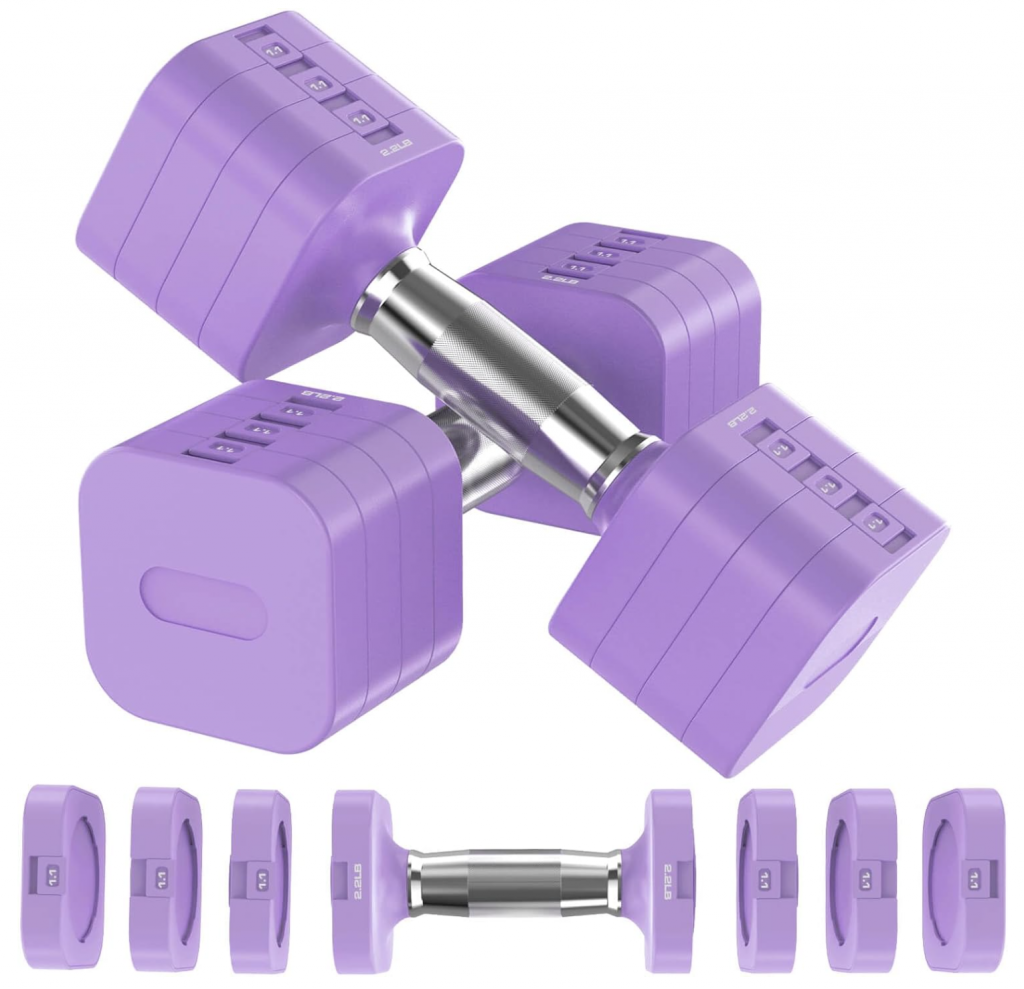
Adjustable Dumbbells Set
1.2 lb, 4.4lb, 6.6lb, 8.8lb, and 11lb, hand weights sets for Women/Men Home Gym Full Body Workout.

Weighted Vest for Women
Comes with reflective stripe and adjustable buckle, Comfortable & durable rucking vest for walking, running & strength training.
Nutrition: Stabilize Before You Have To
As progesterone begins fluctuating, insulin sensitivity can subtly shift. That’s why many women notice new carb cravings, mood dips, or afternoon crashes.
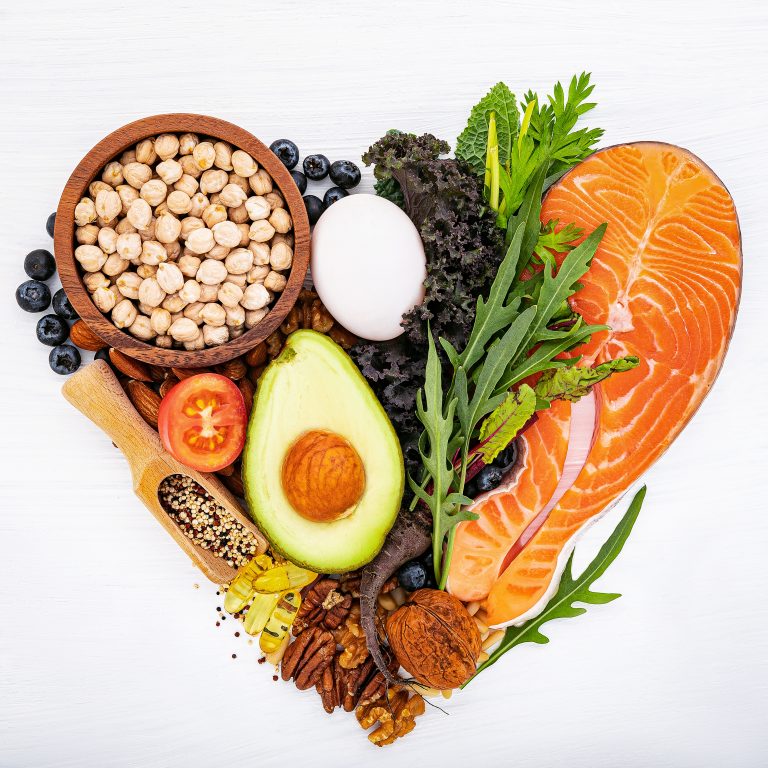
Support your body now by including the following in your daily diet:
- 25–30g protein per meal
- Fiber intake of 25g+ daily
- Omega-3 fatty acids
- Magnesium glycinate for nervous system support
- Hydration beyond what you think you need
- Moderate alcohol, especially late-cycle
This is not dieting. This is resilience-building.
Natural Support & Tea Rituals
Herbs don’t “fix” hormones — but many support the nervous system and cycle health. Research-backed or traditionally supported options include:
- Chasteberry (Vitex) for PMS support – Chasteberry (Vitex) for PMS support
- Magnesium for sleep and mood – https://amzn.to/4rDejvc
- Nettle leaf for mineral support – https://amzn.to/4auThbU
- Raspberry leaf for uterine tone – https://amzn.to/46Z4qiP
If you’re noticing mild warmth at night or increased irritability, begin an evening ritual now. Sometimes the nervous system needs ceremony as much as supplementation.
Libido in Premenopause: Let’s Be Honest
No one warned us that desire might become cyclical in a new way. Some women experience heightened desire mid-cycle and little interest premenstrually. Others notice a gradual dip and panic.
Estrogen supports lubrication and tissue elasticity.
Progesterone fluctuations influence mood stability.
Testosterone — yes, women have it — plays a role in sexual desire.
Changing libido is not a character flaw. It is a hormone shift.
Strength training helps maintain testosterone. Sleep impacts desire. Emotional intimacy often becomes more important than spontaneity.
Sex in midlife evolves. There is usually less urgency, more intention, and yes — we are allowed to talk about that.
Signature Recipe: Hormone-Support Breakfast Bowl
- ¾ cup full-fat Greek yogurt
- 1 tbsp ground flaxseed
- ¼ cup blueberries
- 1 tbsp pumpkin seeds
- Cinnamon + drizzle raw honey
Protein. Fiber. Micronutrients. Stable energy. Fewer crashes. Better moods. Simple. Effective.
For the Mothers and Grandmothers

Imagine carrying this knowledge at 35 — not as a warning, but as preparation. Not as fear, but as understanding.
Women who have already crossed through menopause know how powerful language can be. So many of the shifts once felt isolating simply because they were unnamed. Clarity changes everything.
Those walking through perimenopause now may remember when the first signals appeared — sleep interrupted, moods shifting, a body beginning to speak differently. These were not flaws. They were seasons turning.
And for those entering premenopause: There is nothing excessive about wanting to understand your own body.
Knowledge in the hands of a woman becomes legacy.
When a mother understands her transitions, she teaches her daughters not to fear theirs. When a grandmother speaks openly about change, she removes shame from the conversation entirely.
Silence ends with one informed woman.
This is not about being early.
It is about being the one who shifts the story.
What’s Coming Next
In Part 2, we step into Perimenopause — where symptoms become louder and more undeniable.
Hot flashes.
Sleep disruption.
Mood swings.
And a deeper conversation about intimacy.
I am compiling research and reader questions for a future downloadable guide, and members of The Femme Collective will receive first access. If you’re not already a member, we hope you’ll consider joining our community https://agingoutloud.com/join-the-femme-collective/.
Closing Mantra
We are not unraveling.
We are recalibrating.
What do you wish you had known about premenopause when you were 35?
Sources
- Study of Women’s Health Across the Nation (SWAN)
- Journal of Clinical Endocrinology & Metabolism
- Harvard Health – Menopause & Hormones
Until next time, keep . . .